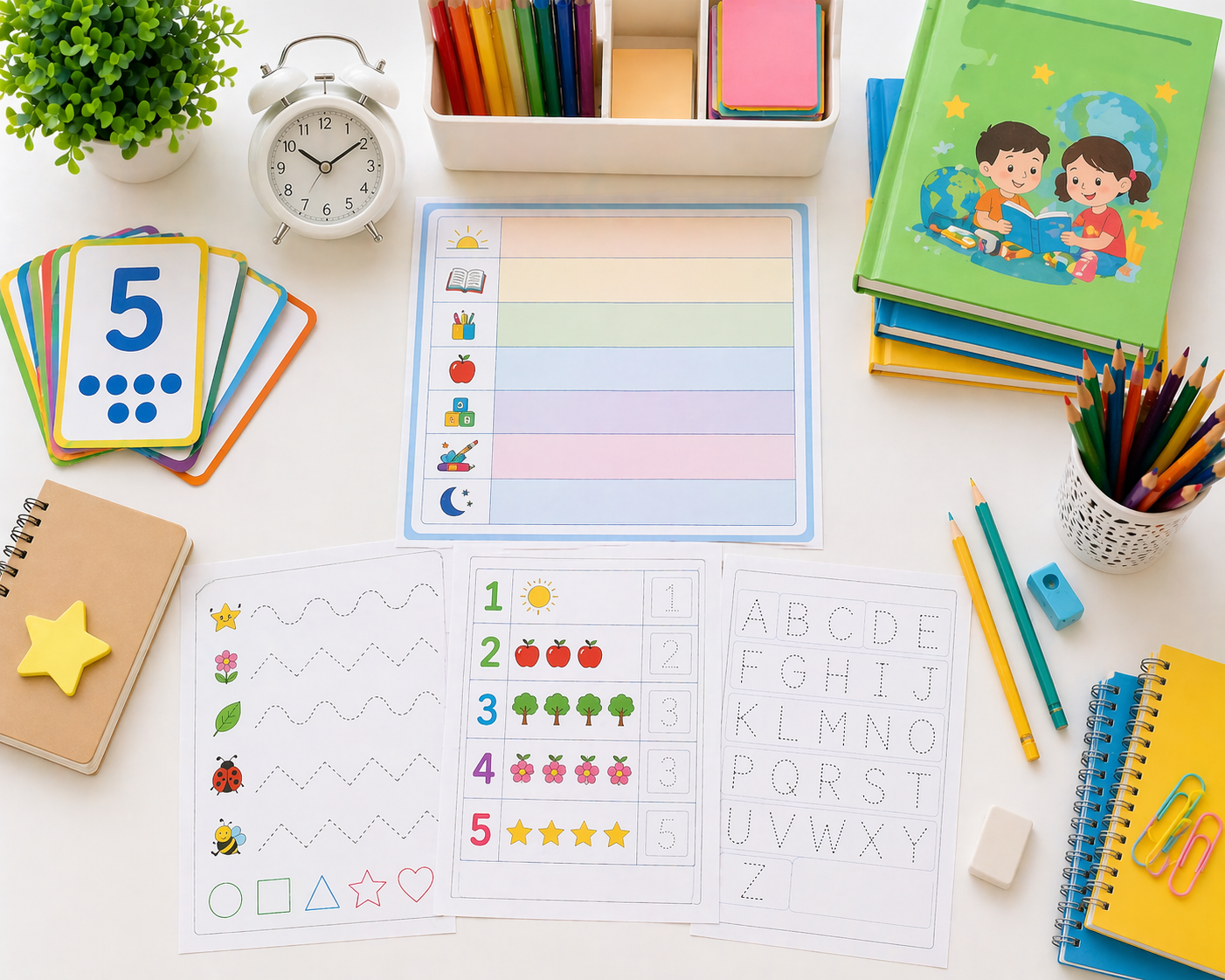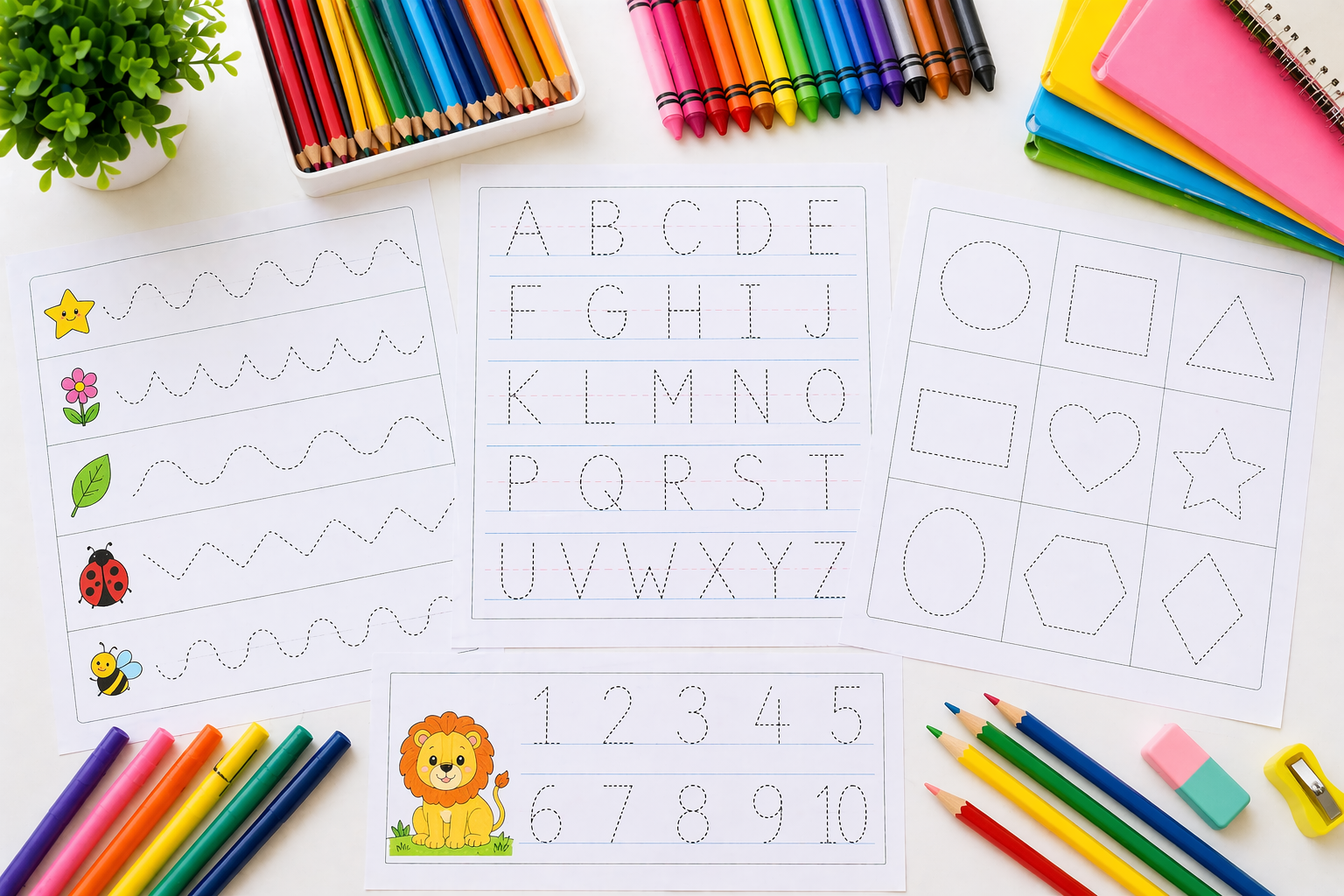
10 Best Preschool Activities for Age 3 to 4 to Boost Early Learning at Home
Preschool is one of the most important stages in a child’s development. Between the ages of 3 and 4, children begin to explore language, numbers, creativity, and social skills in a much deeper way. This is the perfect time to introduce simple and engaging learning activities that build a strong foundation for future education.
Many parents and teachers often ask what are the best preschool activities for age 3 to 4 that are both fun and educational. The answer lies in simple printable activities, hands-on exercises, and playful learning experiences that match a child’s natural curiosity.
In this detailed guide, you will discover the 10 best preschool learning activities that help improve fine motor skills, early literacy, math understanding, creativity, and overall development. These activities are easy to follow and can be done at home using printable worksheets and basic materials.
Preschool is one of the most important stages in a child’s development. Between the ages of 3 and 4, children begin to explore language, numbers, creativity, and social skills in a much deeper way.
If you are looking for best preschool activities for age 3 to 4 at home, this guide will help you with practical, fun, and printable learning ideas.
Why Preschool Activities Are Important for Age 3 to 4
Children at this age are rapidly developing both mentally and physically. They begin to recognize patterns, understand instructions, and express themselves more clearly. Structured activities help guide this development in a meaningful way.
Preschool learning activities help children develop essential skills such as hand coordination, early writing ability, problem solving, and attention span. When these activities are designed in a fun and engaging way, children naturally enjoy learning without feeling pressured.
Printable worksheets and activity sheets are especially useful because they provide structured learning while still allowing children to explore at their own pace.
Structured activities help children develop fine motor skills, early writing ability, and problem-solving skills.
You can explore our complete collection of
free printable worksheets
to support daily learning.
1. Alphabet Tracing Activities
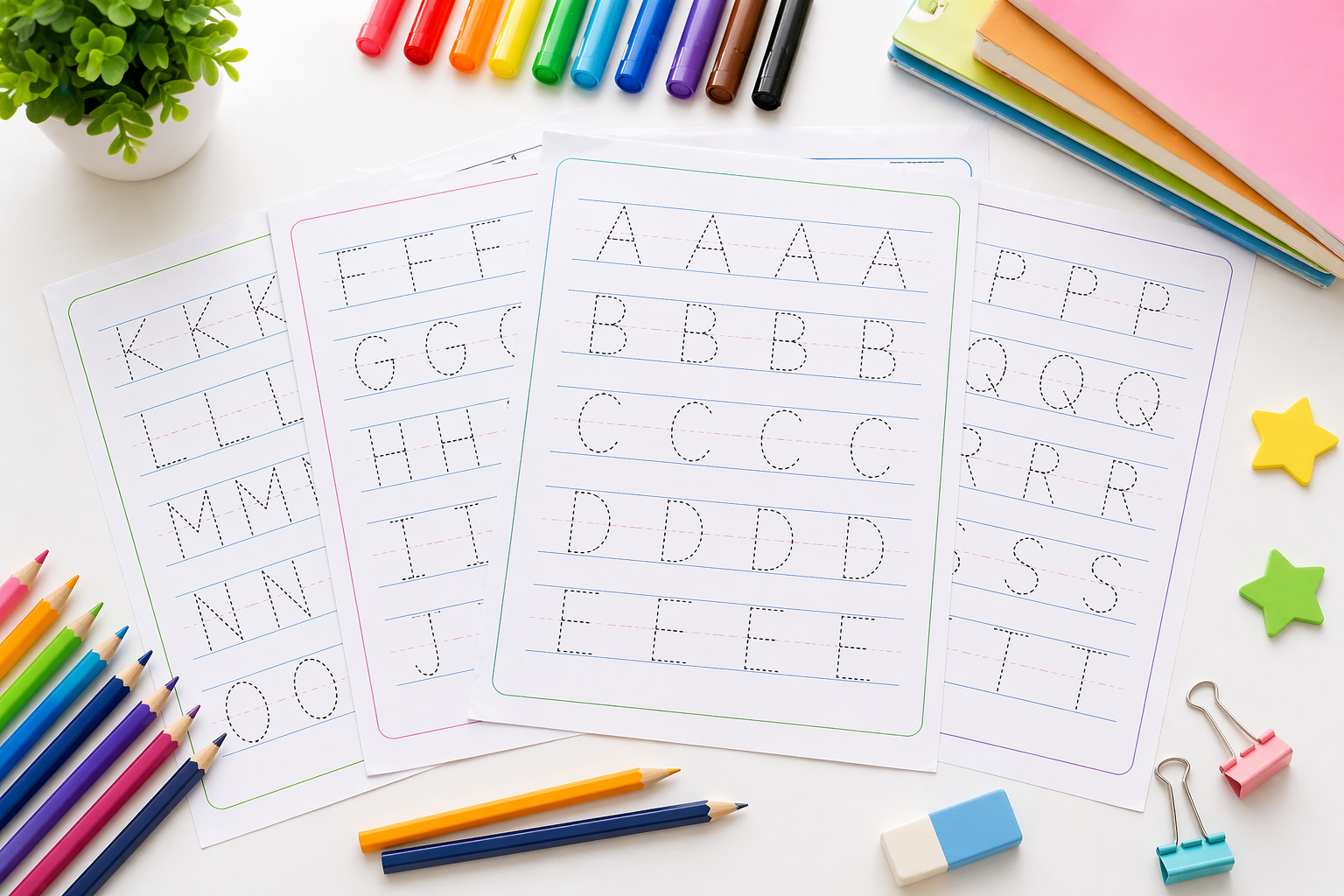
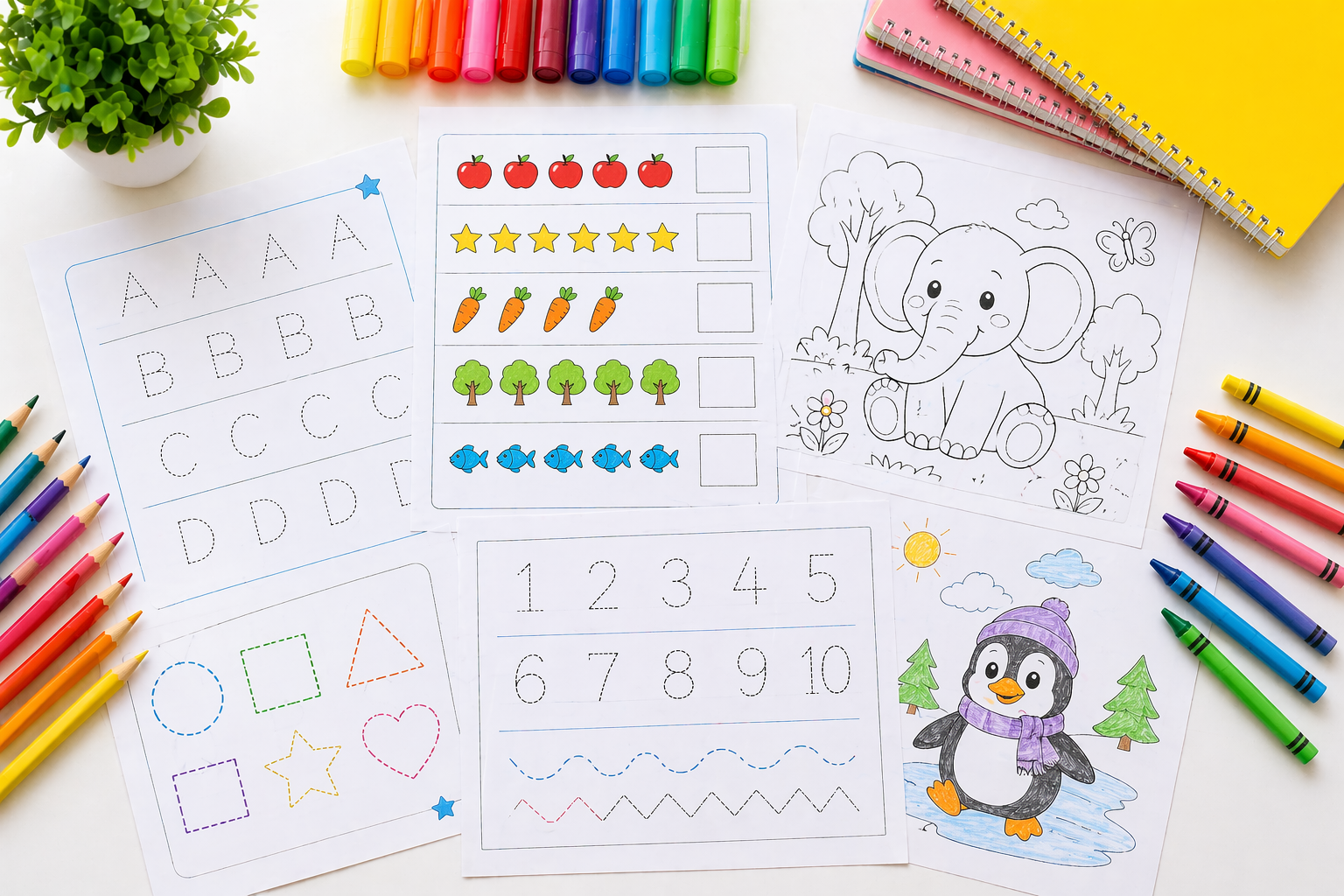
Alphabet tracing is one of the most effective preschool activities for early learners. It helps children recognize letters while also improving their hand control.
Using alphabet tracing worksheets, children can follow dotted lines to form letters. This builds muscle memory and prepares them for writing. It also improves focus and attention.
Start with uppercase letters first, then slowly introduce lowercase letters. Encourage your child to say the letter aloud while tracing to improve memory.
Benefits of alphabet tracing activities include improved letter recognition, better handwriting skills, and stronger fine motor development.
Alphabet tracing improves letter recognition and handwriting readiness.
👉 Try these:
Alphabet Tracing Worksheets
—
2. Number Counting Worksheets
Learning numbers is another important milestone for preschool children. Number counting worksheets make it easy for children to understand numbers in a fun way.
Activities like counting objects, matching numbers, and filling missing numbers help children develop early math skills. Visual learning plays a big role here, so worksheets with colorful objects work best.
For example, a worksheet showing apples or stars can help children count visually and connect numbers with real-world objects.
This type of activity improves number recognition, counting ability, and early math confidence.
Counting worksheets help children understand numbers visually.
👉 Explore:
Number Counting Worksheets
—
3. Coloring Activities for Creativity
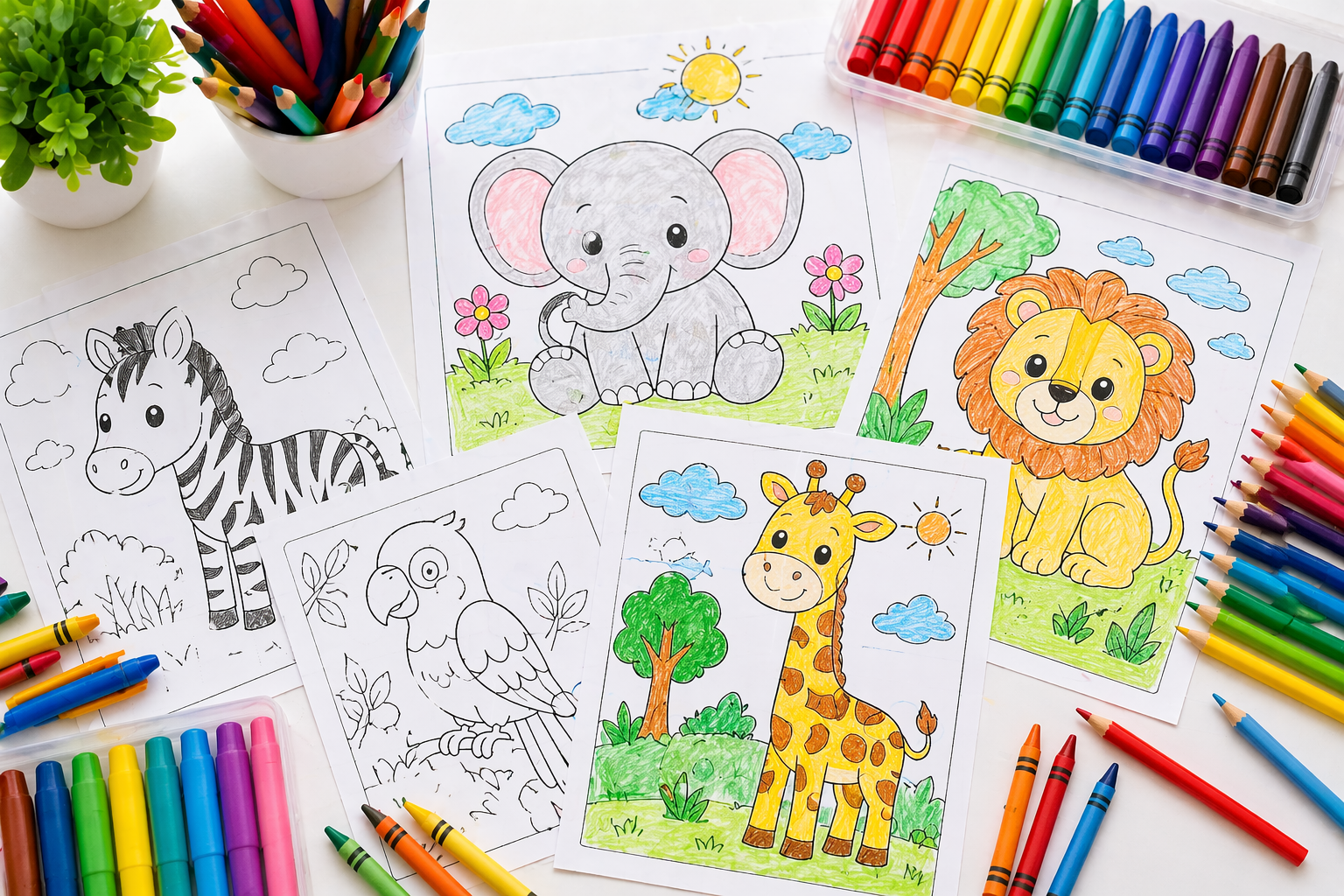
Coloring is not just a fun activity. It plays a major role in child development. Coloring pages help children express creativity while also improving hand control.
Printable coloring pages with animals, shapes, and simple scenes are perfect for children aged 3 to 4. Encourage children to use different colors and stay within the lines.
Coloring improves focus, creativity, and patience. It also helps children understand colors and shapes in a natural way.
Coloring improves creativity, focus, and hand control.
👉 Download:
Free Coloring Pages
—
4. Shape Matching Activities
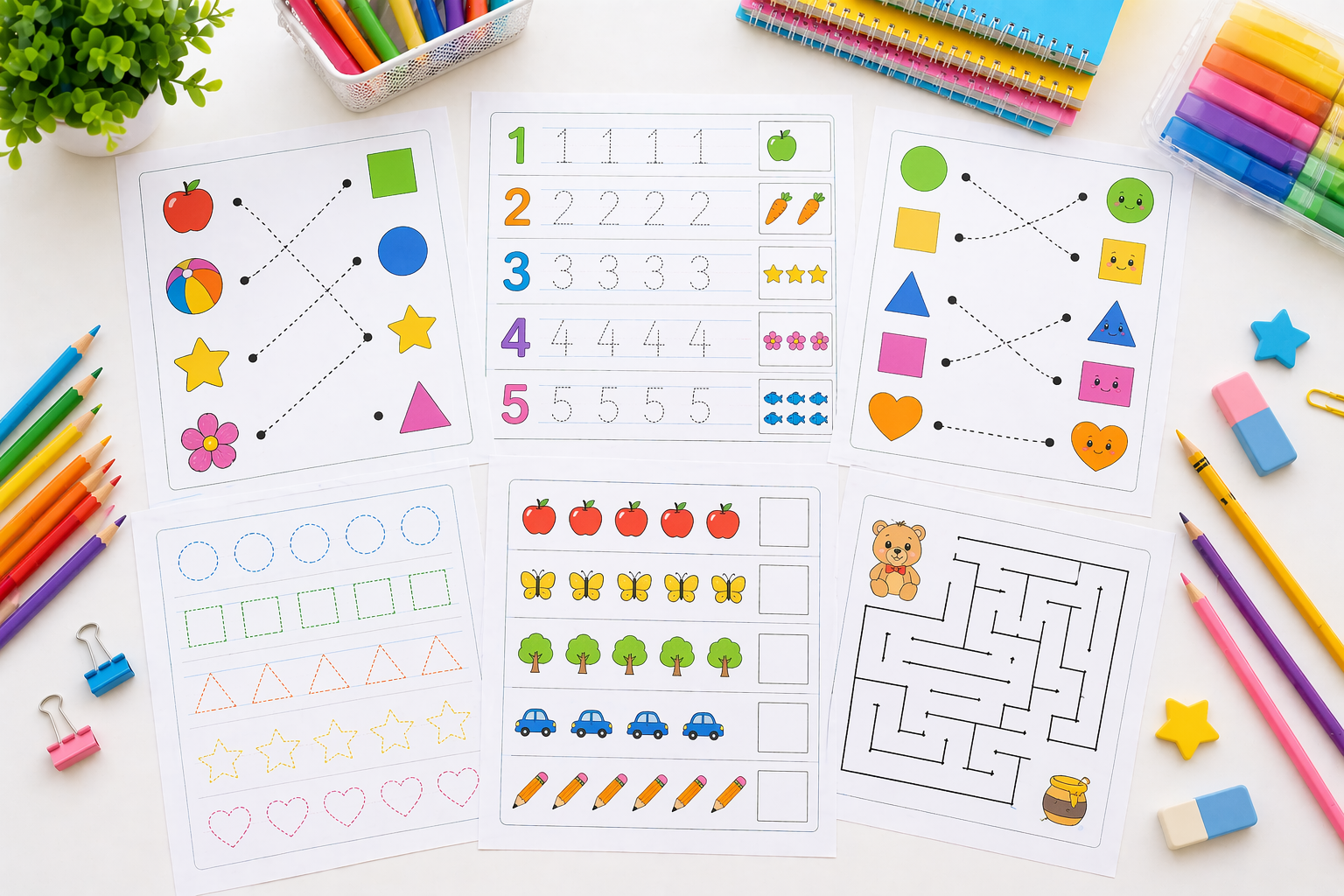
Shape recognition is an essential early learning skill. Shape matching worksheets help children identify basic shapes such as circles, squares, triangles, and rectangles.
These activities often involve matching shapes, coloring shapes, or tracing shapes. Children learn to identify patterns and differences through these exercises.
This activity improves visual recognition, logical thinking, and early geometry understanding.
Shape recognition helps build early math and logic skills.
👉 Try:
Preschool Worksheets
—
5. Cut and Paste Activities
Cut and paste worksheets are excellent for improving fine motor skills. These activities involve cutting shapes and pasting them in the correct place.
Children learn hand coordination and control while using scissors and glue. It also improves concentration and patience.
Simple activities like matching pictures or completing puzzles using cutouts can make learning more interactive and enjoyable.
These activities improve fine motor skills and coordination.
—
6. Phonics and Sound Recognition
Phonics activities help children understand sounds associated with letters. This is the first step towards reading.
Worksheets that focus on beginning sounds, letter sounds, and simple words help children connect sounds with letters.
For example, showing a picture of an apple and associating it with the letter A helps build phonics awareness.
This improves early reading skills, listening ability, and vocabulary.
Phonics helps children connect sounds with letters.
👉 Explore:
Phonics Worksheets
—
7. Simple Puzzle Worksheets
Puzzles are a great way to improve problem solving skills. Preschool puzzle worksheets include matching games, mazes, and simple logic activities.
These activities challenge children to think and find solutions. They also improve memory and concentration.
Simple puzzles are best for this age group to keep children engaged without frustration.
Puzzles improve thinking, memory, and problem solving.
—
8. Line and Pattern Tracing
Before children start writing letters, they need to learn how to control their hand movements. Line tracing worksheets help with this.
Activities include tracing straight lines, zigzag lines, curves, and patterns. These exercises build the foundation for writing.
This improves pencil control, coordination, and readiness for writing.
Line tracing prepares children for writing.
—
9. Story-Based Learning Activities
Story-based worksheets and reading activities help improve imagination and language skills. Short stories with pictures are ideal for preschool children.
Ask simple questions after reading a story to improve comprehension. Encourage children to describe what they see in pictures.
This builds vocabulary, listening skills, and creativity.
Story worksheets improve imagination and reading skills.
—
10. Daily Activity Worksheets
Daily activity worksheets combine multiple learning areas into one simple sheet. These may include tracing, counting, coloring, and matching.
Using daily worksheets helps create a routine for children. It also ensures balanced learning across different skills.
This approach improves consistency, discipline, and overall learning progress.
Daily worksheets combine multiple skills into one routine.
👉 Get bundle:
Printable Worksheet Packs
—
How to Create a Daily Preschool Learning Routine
Creating a simple daily routine helps children stay consistent with learning. You do not need long study hours. Even 30 to 45 minutes of structured activity is enough.
Start with tracing activities, then move to counting or phonics, followed by coloring or puzzles. Keep sessions short and engaging.
Always allow breaks and include playtime. Learning should feel natural and enjoyable.
Tips for Parents and Teachers
Always keep activities simple and age appropriate. Avoid overwhelming children with too many tasks at once.
Encourage positive reinforcement. Praise children for their efforts rather than focusing on mistakes.
Use printable worksheets to maintain structure while keeping activities fun.
Most importantly, make learning a joyful experience. Children learn best when they feel happy and relaxed.
Best Printable Worksheets for Preschool Activities
Printable worksheets are one of the easiest ways to introduce structured learning at home. They are affordable, reusable, and easy to access.
You can find a wide range of preschool worksheets including alphabet tracing, number counting, coloring pages, and activity sheets.
Using printable worksheets regularly helps children build strong foundational skills in a simple and effective way.
Conclusion
Choosing the right preschool activities for age 3 to 4 can make a big difference in a child’s early development. Activities like tracing, counting, coloring, and puzzles not only improve learning but also make the process enjoyable.
By using simple printable worksheets and creating a daily routine, parents and teachers can support children in building essential skills that will help them succeed in school and beyond.
Start with these 10 activities and gradually introduce more learning materials as your child grows. With the right approach, learning becomes a fun and exciting journey.
These preschool activities help children build a strong learning foundation. Start small, stay consistent, and make learning fun.
👉 Download free resources from
EarlyActivity
and start today.
—
Frequently Asked Questions
What are the best activities for 3 to 4 year olds?
Tracing, counting, coloring, and puzzle worksheets are the best activities for preschool children.
How long should a preschooler study daily?
30 to 45 minutes of structured learning is enough for children aged 3 to 4.
Are printable worksheets good for preschool learning?
Yes, printable worksheets provide structured and easy learning at home.
How can I teach my child at home?
Use simple worksheets, daily routines, and fun activities to teach children effectively.