How Tracing Worksheets Improve Fine Motor Skills in Preschool Children
Fine motor skills are one of the most important foundations in early childhood development. These skills involve the small muscles in the hands and fingers, which are essential for writing, drawing, and everyday activities.
Many parents search for simple ways to improve these skills at home. One of the most effective and proven methods is using tracing worksheets for preschool children.
If you are looking for ways to improve your child’s hand control, coordination, and early writing ability, tracing worksheets are the perfect starting point.
What Are Fine Motor Skills
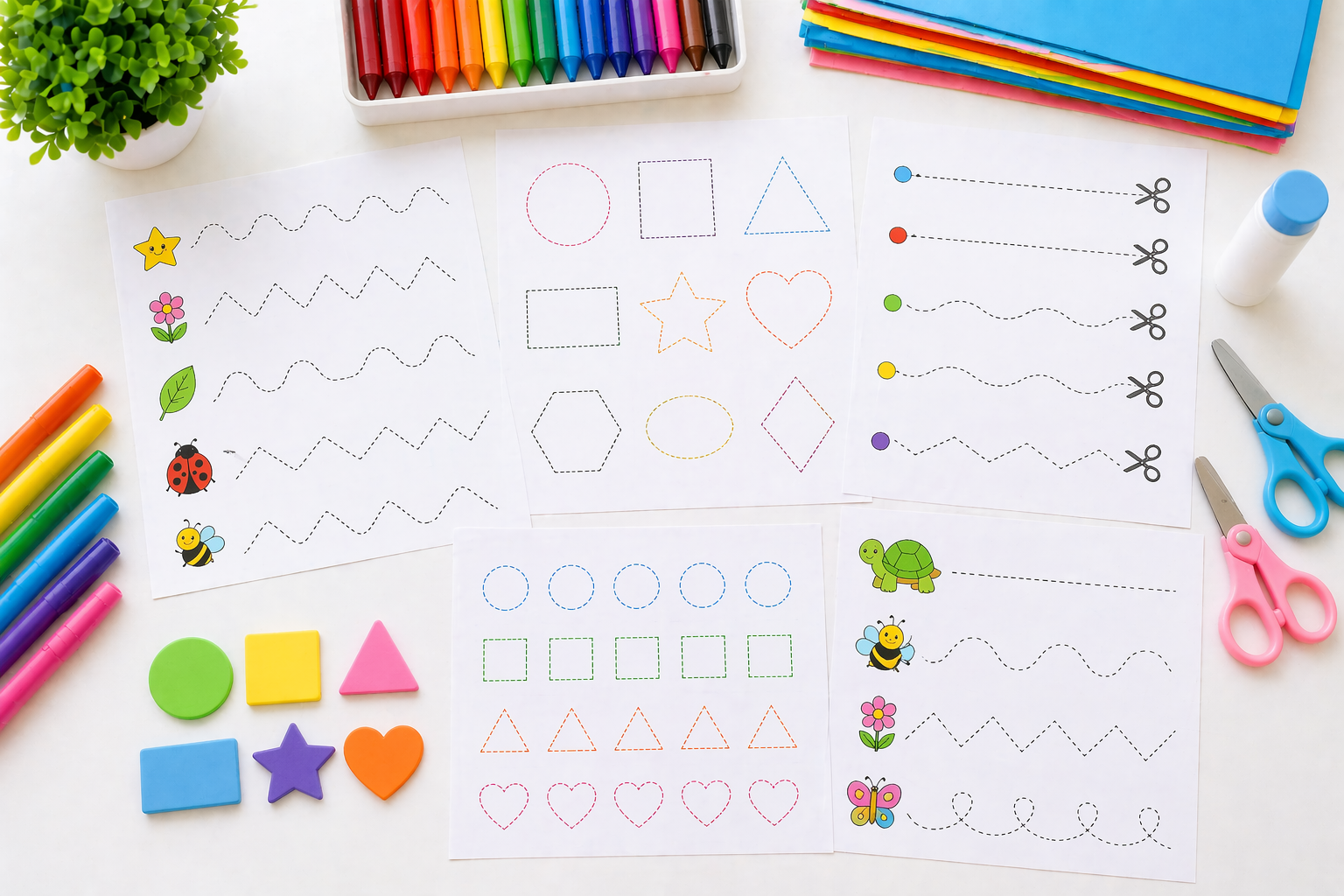
Fine motor skills refer to the ability to use small muscles in the hands and fingers to perform tasks such as holding a pencil, cutting with scissors, or buttoning clothes.
For preschool children aged 3 to 4, developing these skills is essential before they begin formal writing.
Without strong fine motor control, children may struggle with writing, drawing, and other classroom activities later.
Why Tracing Worksheets Are Important
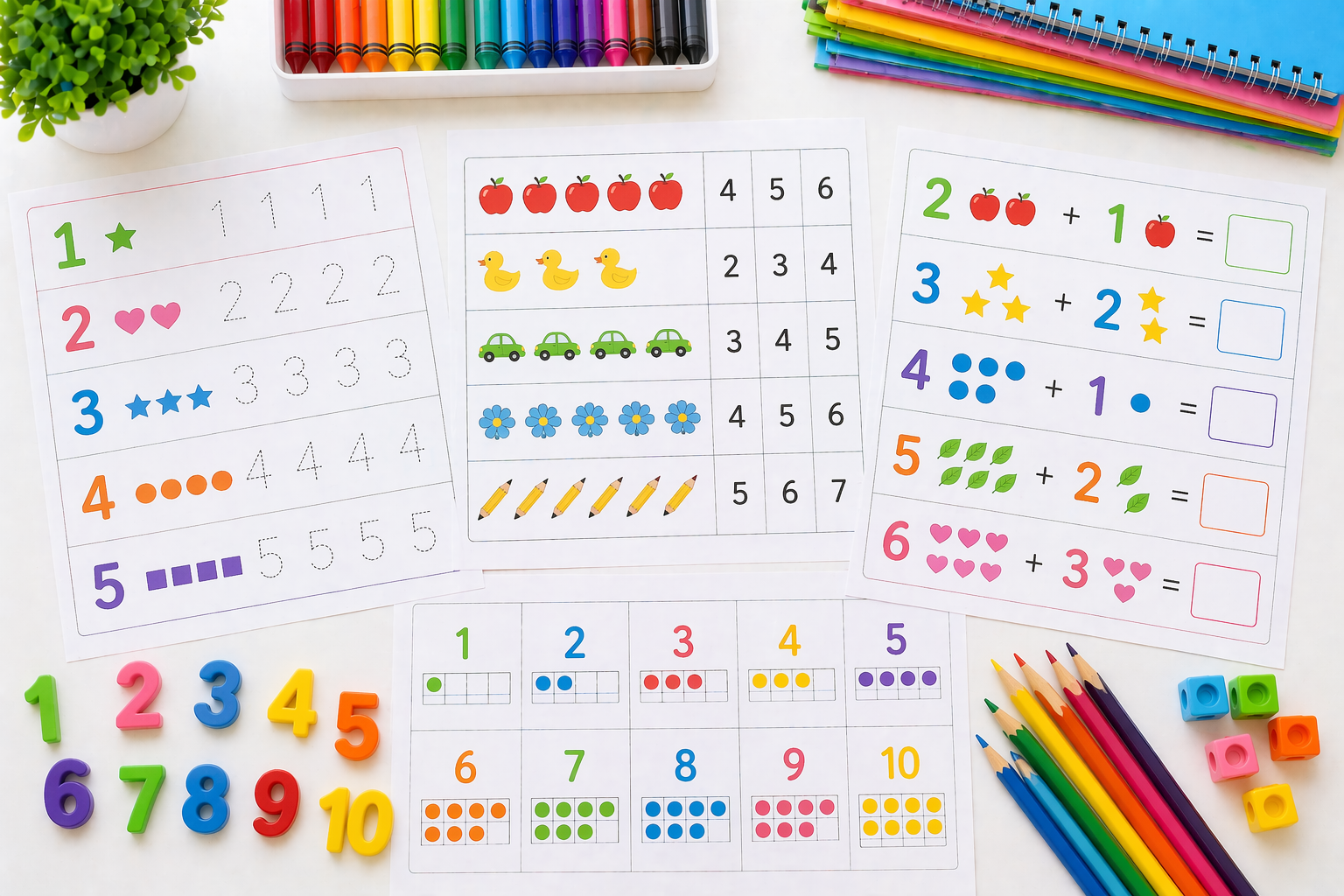
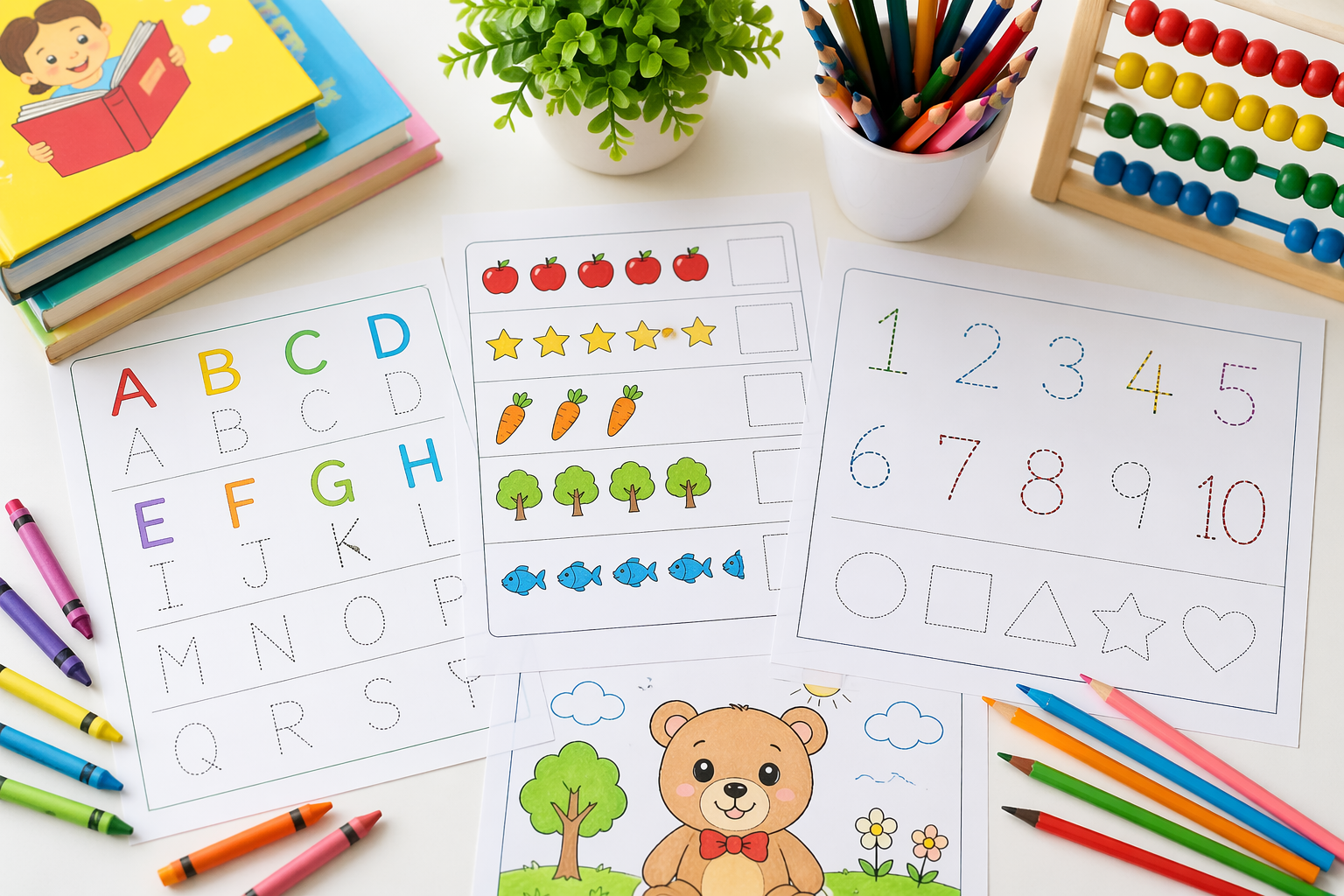
Tracing worksheets provide a structured way for children to practice hand movements. These worksheets guide children to follow lines, shapes, and letters.
This repetition helps build muscle memory and improves coordination between the brain and hand movements.
You can explore
tracing worksheets for kids
to start practicing today.
How Tracing Improves Hand Control
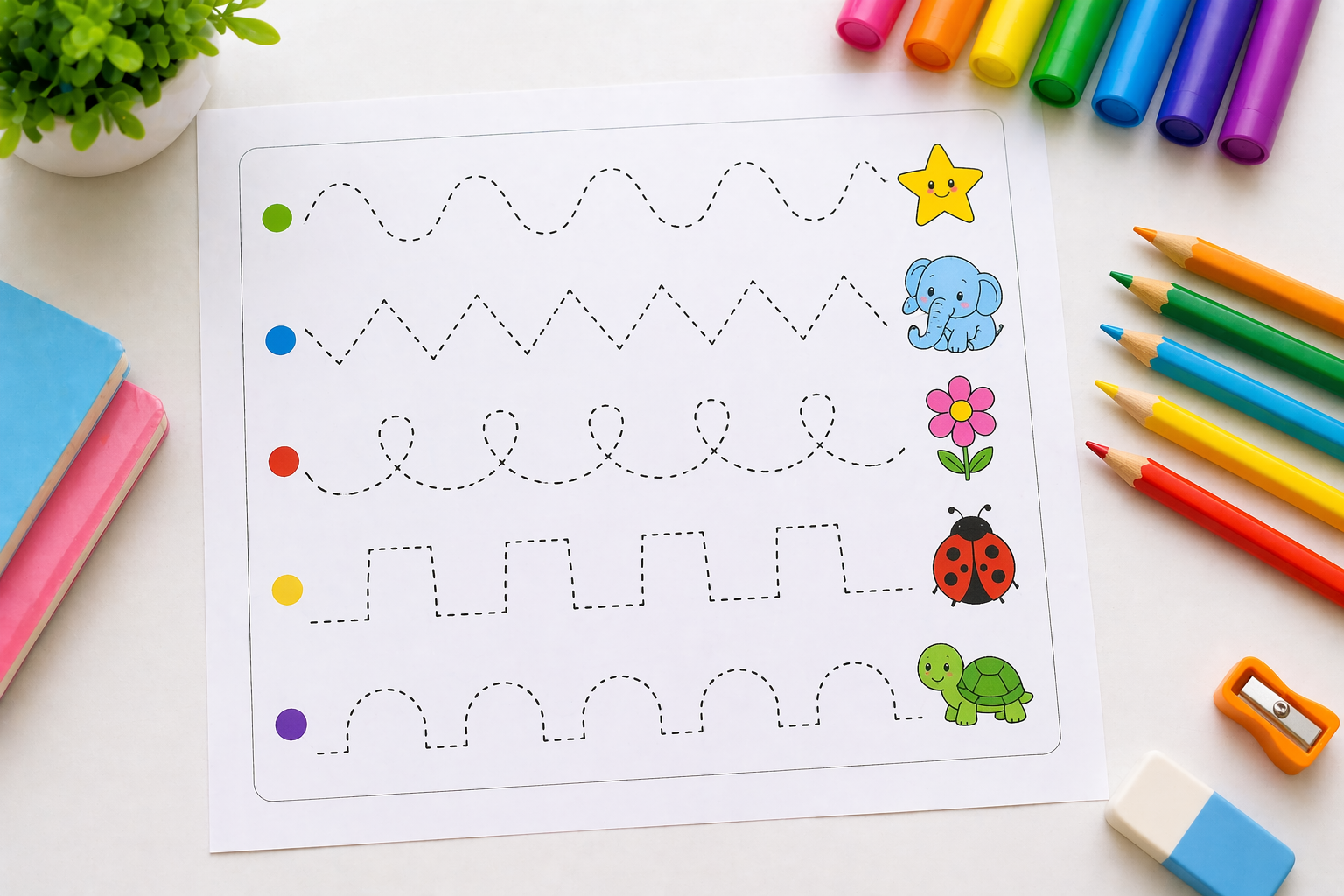
When children trace lines or letters, they learn how to control the movement of their hands. This improves precision and stability.
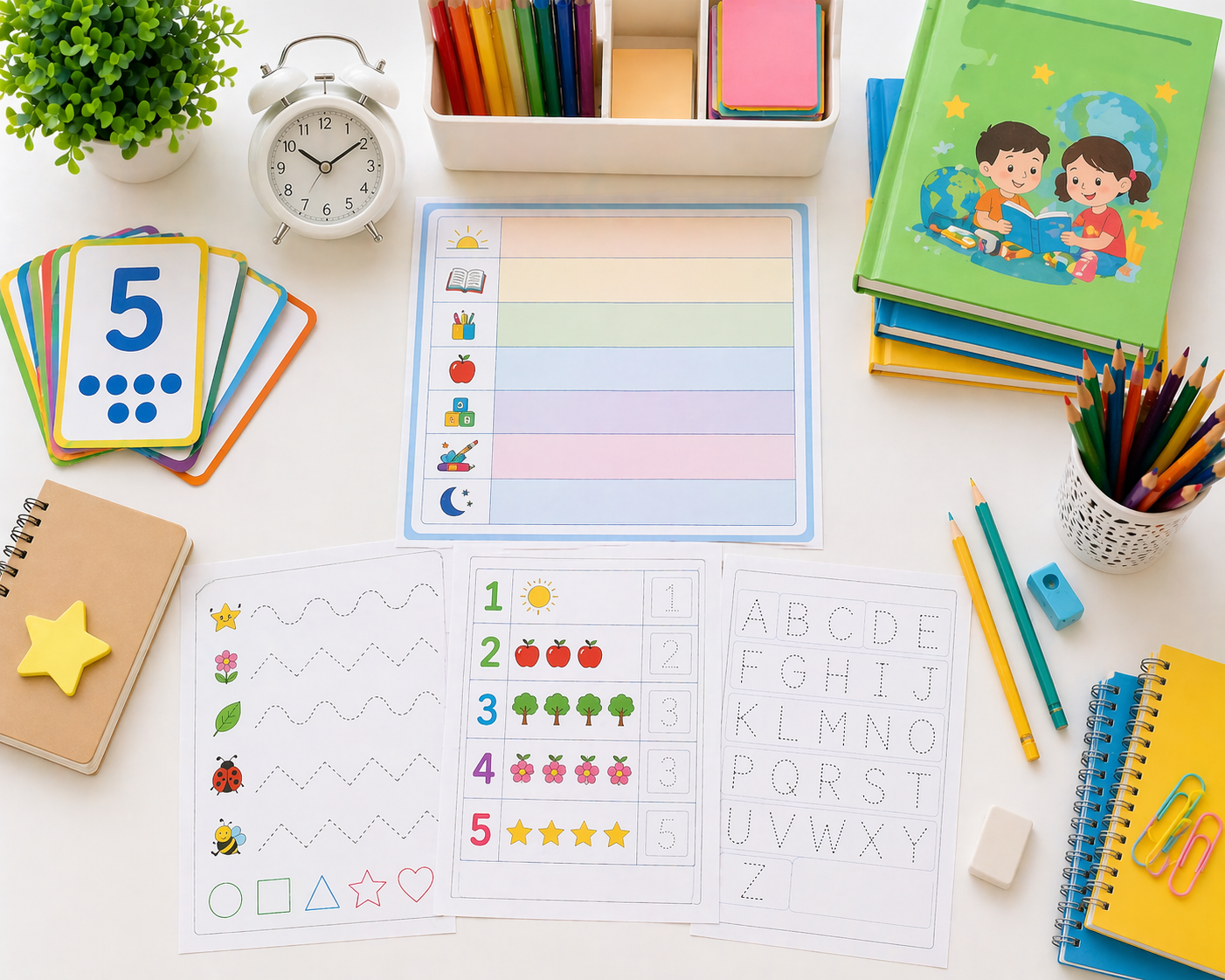
Simple activities like tracing straight lines, curves, and zigzag patterns help children understand direction and movement.
Over time, this leads to better handwriting and drawing skills.
Types of Tracing Worksheets for Preschool
Line Tracing Worksheets
These include straight lines, curved lines, and patterns. They are the first step in learning how to control a pencil.
Shape Tracing Worksheets
Children trace shapes like circles, squares, and triangles. This helps with recognition and control.
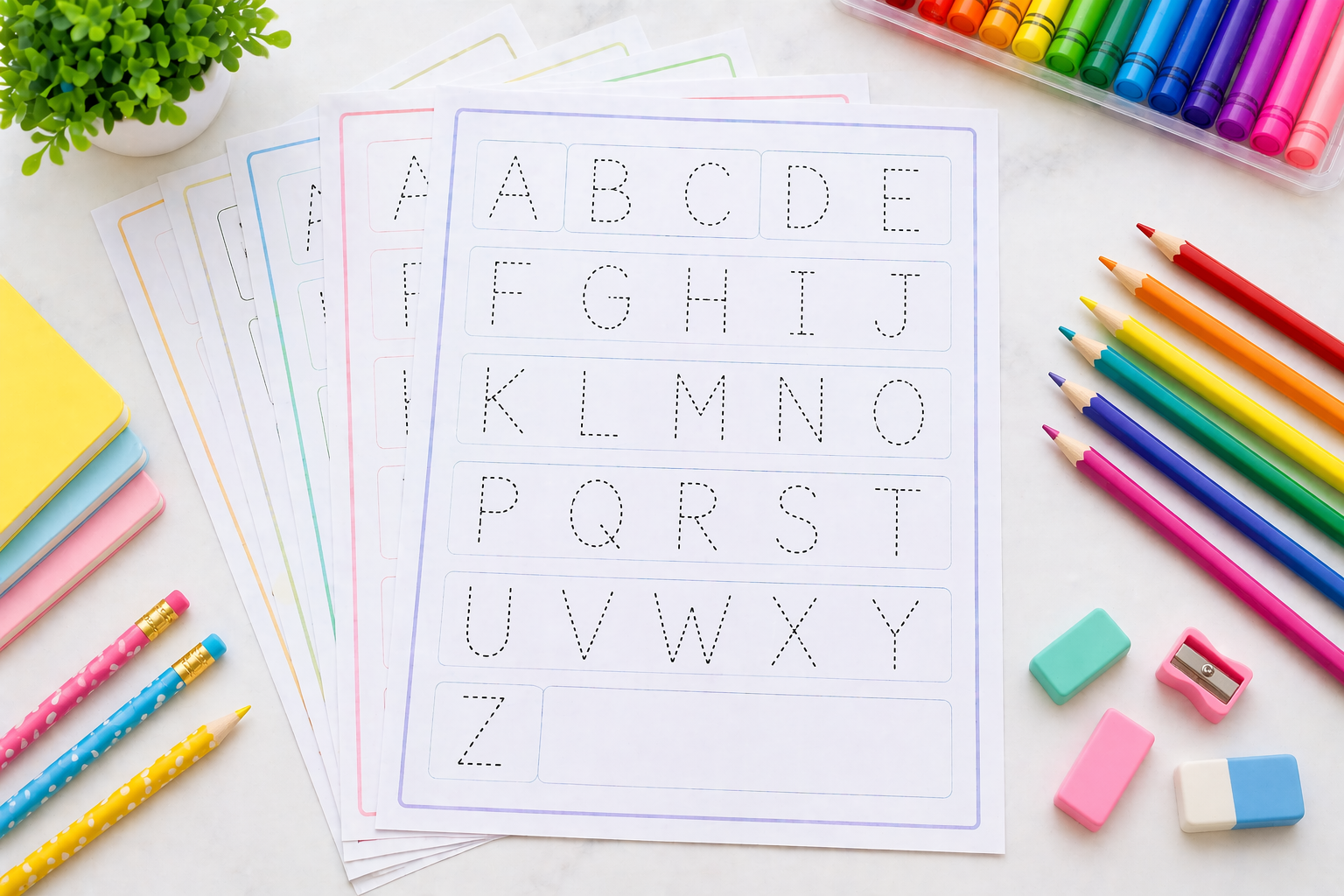
Alphabet Tracing Worksheets
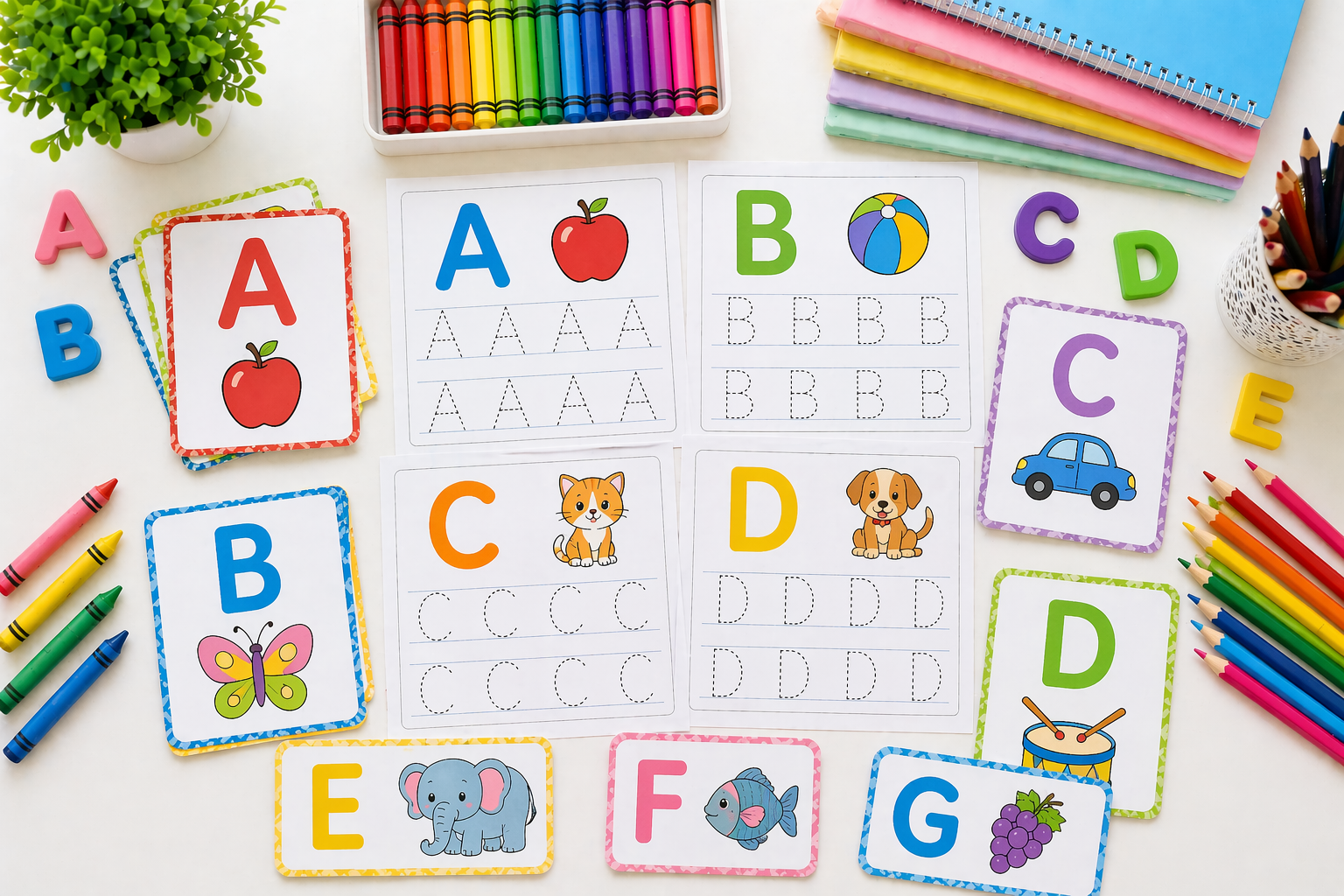
Alphabet tracing introduces children to letters while improving writing skills.
👉 Try these:
Alphabet Tracing Worksheets
Benefits of Tracing Worksheets
Tracing worksheets offer multiple benefits for preschool children:
- Improves hand and finger strength
- Enhances pencil grip and control
- Builds early writing skills
- Improves concentration and focus
- Boosts confidence in learning
Daily Practice Routine
You do not need long hours of practice. Just 15 to 20 minutes daily is enough.
Start with line tracing, then move to shapes, and finally to letters.
Consistency is more important than duration.
Common Mistakes Parents Should Avoid
Many parents try to push children too quickly into writing letters without building basic skills first.
Always start with simple tracing before moving to complex worksheets.
Avoid forcing children. Keep the learning process fun and stress free.
Best Printable Worksheets for Practice
Printable worksheets are the easiest way to practice at home. They provide structured learning and can be reused.
Explore:
Free Printable Worksheets

Conclusion
Tracing worksheets play a crucial role in improving fine motor skills in preschool children. They build the foundation needed for writing, drawing, and daily tasks.
By practicing regularly with simple worksheets, children can develop strong hand coordination and confidence.
Start early, stay consistent, and make learning enjoyable.
Frequently Asked Questions
What age should children start tracing?
Children can start tracing from age 3 with simple lines and shapes.
How long should tracing practice be?
15 to 20 minutes daily is enough for preschool children.
Are tracing worksheets effective?
Yes, they help improve hand control, coordination, and early writing skills.
What type of tracing is best for beginners?
Line tracing is best before moving to shapes and letters.