
هذه الصفحة غير متوفرة باللغة العربية بعد — نعرضها بالإنجليزية.
Animal Habitats Worksheets
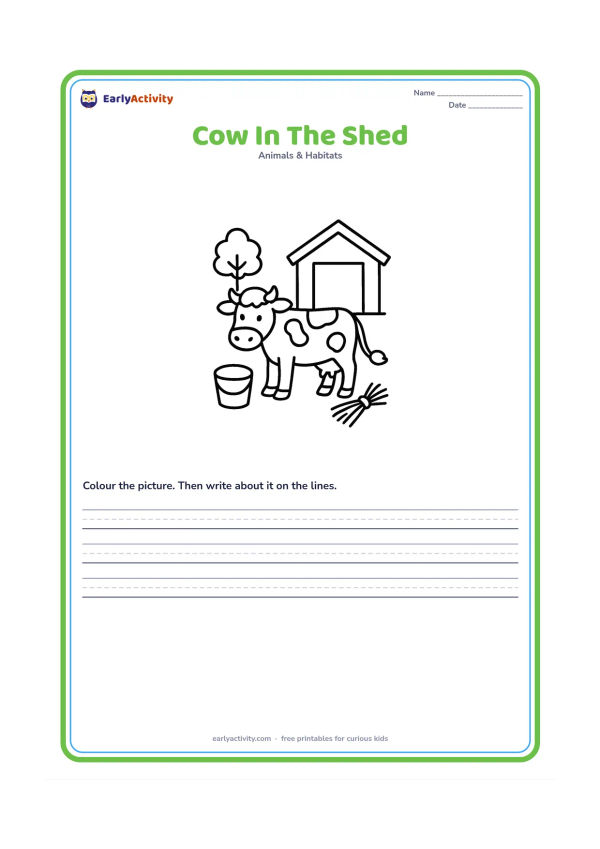
These animal habitats worksheets help children aged 3 to 8 learn where animals live through matching, sorting, colouring and simple EVS activities. They are free to download and print for use at home or in your classroom.
يلزم حساب مجاني للتنزيل · 20 تنزيلًا مجانيًا كل يوم

Coming soon
Animal Habitats Worksheets are coming soon
Our team is drawing and testing these printables right now. Save this page or join free, and we'll let you know when they are ready to download.
At a glance
- Ages: 3 to 8 years
- Skills: Matching, sorting and observation
- You need: Pencils, crayons and a printer
- Time: 10 to 20 minutes per activity
What children learn from this set
The worksheets introduce familiar habitats such as forests, grasslands, deserts, oceans, ponds and snowy regions. Younger children can identify animals, colour scenes and match an animal to a suitable place. Older children can sort animals by habitat, complete labels, read short clues and explain why a habitat meets an animal's needs. The activities use clear pictures and simple language, so you can choose a suitable starting point for Nursery, LKG, UKG and primary classes. For related practice, pair this set with Animals Worksheets.
Simple ways to use the worksheets
At home, begin by talking about one animal your child knows. Ask where it gets food, water and shelter before starting the worksheet. In class, place habitat picture cards around the room and let children move to the habitat they think matches an animal card. Children can work alone, with a partner or in a small group. Read clues aloud for younger learners, then invite older children to give a reason for each answer. A short drawing activity can follow, with each child adding one animal and one useful feature to a habitat.
Helping children sort habitats correctly
Children often confuse an animal's home with its larger habitat. A nest, burrow or den is a home, while a forest, pond or grassland is a habitat that provides food, water and shelter. They may also choose a habitat because an animal is shown there in a familiar picture. Help by asking, "What does this animal need here?" Some animals live in more than one kind of place, so accept a sensible answer when the child can explain it. Use local examples such as cows in farms, fish in ponds and peacocks in forest areas.

Lumi's tips
- Make it easier by offering two habitat choices at first and talking through the animal's food and shelter.
- Make it harder by asking your child to write one reason why each animal belongs in its habitat.
- Keep it connected to real life by spotting birds, insects and other animals near your home and discussing where they find food or shelter.
How to download and print
- Sign in or join free, it takes a few seconds.
- Choose a page and tap Download. Pick A4 or US Letter to match your paper.
- Open the PDF and print at "Actual size" (100%) so nothing is cut off.
- Your downloads stay in My Library, so you can print them again any time.
أسئلة يطرحها الأهل
What are animal habitats worksheets?
They are printable activities that help children learn where animals live and what they need from their surroundings. Common tasks include matching, sorting, colouring, labelling and answering simple clues.
What age are these animal habitats worksheets for?
This set suits children aged 3 to 8. Younger children can use the picture-based pages, while older children can complete written clues and explain their choices.
How are a habitat and an animal home different?
An animal home is a particular place such as a nest, den or burrow. A habitat is the wider place that provides food, water, shelter and space for the animal.
Can I use these worksheets for an EVS lesson?
Yes. Use them for an introduction, guided practice, revision or a quiet follow-up task after a class discussion about animals and their surroundings.
How do I download and print the worksheets?
Open the worksheet you want, download the PDF with a free EarlyActivity account and print it for home or your own classroom. The files are made for A4 and US Letter paper, and the print setting should be Actual size at 100%.
More animals & habitats

Animal Body Coverings Worksheets
These animal body coverings worksheets help children learn how fur, feathers, scales, shells and skin protect animals. The activities suit children aged 3 to 8 and are free to print for home or classroom use.
Animal Homes Worksheets
These animal homes worksheets help children aged 3 to 8 learn where animals live through matching, sorting, tracing, colouring and simple writing tasks. The free printables suit home practice, Nursery to Class 2 lessons and early science or EVS work.
Animal Sounds Worksheets
These animal sounds worksheets help children aged 3 to 8 match familiar animals with the sounds they make. The free printables include simple matching, colouring, tracing and early reading activities for home or class use.
Animals and Their Babies Worksheets
These animals and their babies worksheets help children aged 3 to 8 match parent animals with their young, trace or write names, and colour familiar pictures. They are free to print for home learning or classroom practice.
Animals Worksheets
These animals worksheets help children aged 3 to 8 learn about familiar animals through colouring, matching, sorting and simple EVS tasks. They are free to print and suitable for home practice, nursery, LKG, UKG and primary classrooms.
Birds Worksheets
These birds worksheets help children aged 3 to 8 learn bird names, body parts, homes, food and simple features through tracing, matching, colouring and sorting. They are free to print for learning at home or in your own classroom.