15 Children's Day activities for school on November 14
Plan a cheerful November 14 celebration with simple materials, short games and thoughtful activities. These Children's Day activities for school help you choose a manageable mix for a classroom or a home group.
In short
- Choose 4 to 6 activities for a class period, or 2 to 3 for a home group.
- Mix quiet work, pair work, movement and sharing so children have different ways to join in.
- Use appreciation, memory sheets and handmade bookmarks without comparing children.
- Print PDFs on A4 or US Letter paper at Actual size, 100 percent.
- Let children take part through drawing, writing, speaking, pointing or dictating their ideas.
How to plan a simple Children's Day classroom
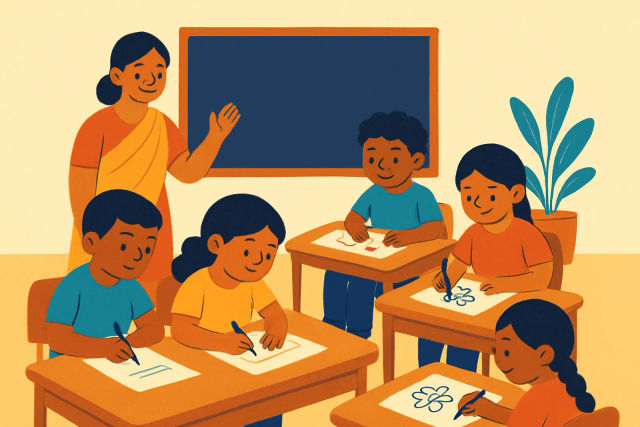
A 60 to 90 minute celebration can feel special without buying party supplies. Keep pencils, crayons, old paper, scissors, glue and classroom books ready. Print a few activity pages before the day and arrange the room into quiet work, pair work, movement and sharing areas. You can also use the Children's Day activities collection when choosing pages.
A simple plan could be 15 minutes of quiet work, 15 minutes of pair puzzles, 15 minutes of movement, 20 minutes of a craft and 10 minutes of sharing. Add short water and tidy-up breaks where needed. Choose four to six activities for one class period. Parents with siblings, cousins or a small home group can choose two or three.
Before printing, check that each PDF is set for A4 or US Letter paper. Print at Actual size, which means 100 percent, so lines and writing spaces keep their intended size. Keep one spare activity ready for children who finish early, such as a maze or a drawing page.
Kindness and appreciation activities
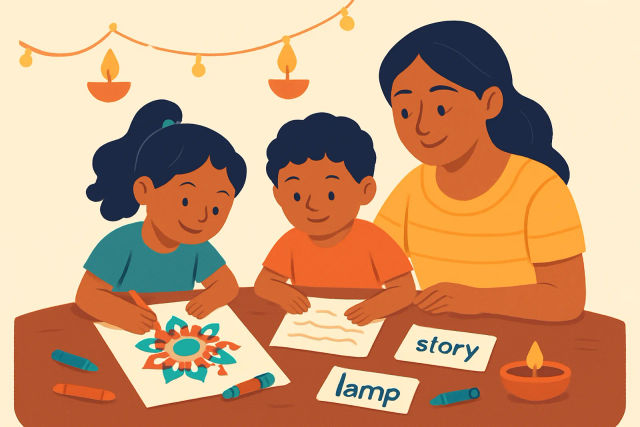
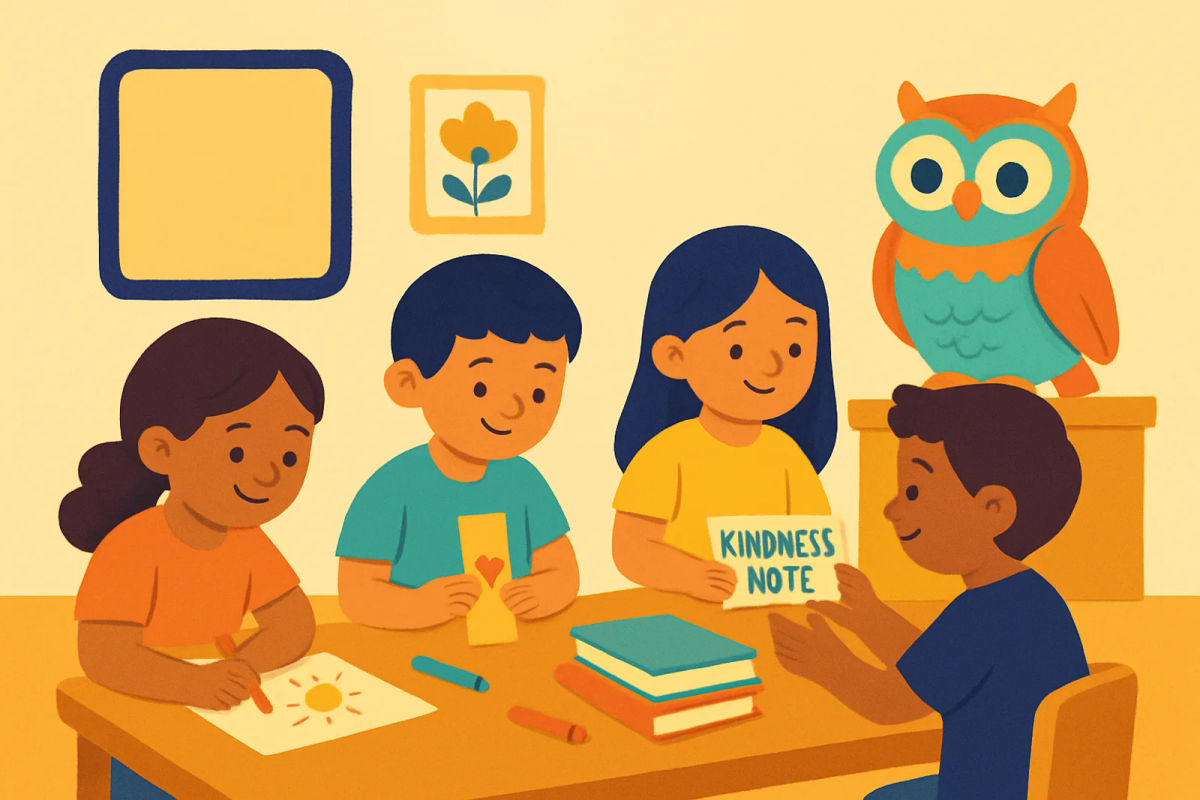
Start with a kindness certificate that names one helpful action rather than ranking children. Give each child a half-sheet of paper. Ask them to write or dictate the name of a classmate, then complete the sentence, "Thank you for helping when..." The writer can draw a border and add their name. A certificate maker can help you prepare a simple page, but handmade certificates work just as well.
For a class appreciation sheet, give each child a box with the prompt, "Something I value about..." They may choose a classmate, teacher or family member and write one sentence or draw a picture. Nursery, LKG and UKG children can dictate their words to an adult. Class 1 to 5 children can write a short message, with spelling support when needed.
Check every message before it is read aloud or displayed. Remove teasing, private comments and words that may upset someone. Avoid awards such as "best child" or "most popular", which can embarrass or leave out children. A quiet child can hand over a note without speaking.
Class memory and reflection sheets
A class memory page gives children time to think about the year. Use prompts such as "My favourite classroom activity", "Something I learnt" and "One hope for our class". Children can complete one section at a time with a pencil or crayon. Leave room for a small picture of a lesson, friend, book or classroom moment.
For Nursery, LKG and UKG, use picture boxes with prompts such as "Draw something you liked at school" and "Draw someone who helped you". An adult can write the child's words below the drawing. For Class 1 to 5, add sentence starters: "I enjoyed...", "I can now..." and "I hope we..." Children who find writing tiring can draw first and add one sentence later.
Place finished pages in a class folder and look at them together during a quiet closing activity. You can also let every child take the sheet home. In a home group, siblings or cousins can make one shared page about a festival, family outing, book or game they enjoyed during the year. This makes a useful keepsake without needing photographs.

Lumi's tips
- Lumi suggests keeping one quiet colouring page ready for a child who needs a slower break.
- Use the names of familiar books, festivals and classroom routines in puzzles and action cards.
- Let children choose drawing, writing or dictation when an activity has more than one way to respond.
- Keep scissors, glue and thicker paper at the adult table for easier supervision.
Puzzles and quiet table activities
Set up a puzzle station with word searches, simple mazes, matching puzzles, spot-the-difference pages and Children's Day picture puzzles. Nursery to UKG children can match pictures, trace lines and colour. Class 1 and 2 children can try short word searches with familiar words such as book, friend, school and play. Class 3 to 5 children can work on clue-based puzzles, simple Sudoku or longer word searches.
Put pencils, crayons and an answer-checking sheet at the station. Children can work with a partner, compare answers and correct their own page. This keeps the focus on solving rather than winning a prize. A child who finishes early can create one new clue or draw a puzzle for a friend.
Teachers can make a custom word search with the Word Search Maker. Use class words, school values or familiar Indian festivals such as Diwali and Holi. A quiet table is useful when some children need a break from noise. Keep groups small and rotate them after ten or fifteen minutes so every child gets a turn.
Child-made bookmarks and paper crafts
Give each child a strip of one-sided waste paper, an old calendar sheet or reused cardboard. First, show how to colour and cut a bookmark. Children can add a reading reminder such as "Read a little every day", kind words, patterns or a small self-portrait. Younger children can colour large shapes and make sticker-free patterns with crayons, dots, lines and simple borders.
Older children can rule a writing space on the back, add a favourite book title or write a short promise about caring for books. To make a tassel, an adult can wrap wool or thread around three fingers, tie one end, cut the loops and attach it through a punched hole. Help with scissors and all cutting of thick cardboard.
Let glue or paint dry before children pack the bookmarks. Keep a few plain paper bands ready for children who prefer less decoration. A bookmark can also be made from a big and simple animal colouring page cut into strips, if the page has enough blank space. Leave ten minutes for drying, naming and packing.
Movement, speaking and group games
An action card game brings movement into the celebration without needing music. Write or print cards with safe actions such as "Clap twice", "Share a compliment", "Name a favourite book", "Stretch both arms" and "Make a quiet animal shape". A child picks a card, and the class completes the action together. Keep actions beside desks when the room is small.
For pass-the-picture storytelling, begin with a simple drawing of a school bag, tree, book or classroom. Each child adds one sentence or one drawing before passing the page. The teacher can read the finished story at the end. Children who do not want to speak in front of the class can draw, whisper their sentence to a partner or ask the teacher to read it.
A classroom scavenger hunt can use objects already present. Call out "Find a red object", "Find a book with a picture" or "Find something made of paper". In a small room, children can point from their seats, work in pairs or bring one answer at a time. Set a walking rule and stop the game before the room becomes crowded.
Printing, sharing and classroom use
EarlyActivity has printable activities for children aged about 2 to 12, including colouring pages, worksheets, puzzles, crafts and planners. Most printables are free. Downloading needs a free account, and a free account can download up to 20 printables a day. You can browse the free printables library and select pages that match your children's ages and interests.
Print one sample first to check margins, picture size and writing space. Then print the required number at Actual size, 100 percent, on A4 or US Letter paper. If a page will be used by a whole class, print one copy for each child or prepare shared station copies with pencils beside them.
Files are for use at home or in your own classroom. They must not be shared or resold. If you need more downloads and prefer an ad-free experience, EarlyActivity Plus is an optional paid membership. Keep unused pages in a folder so they can support a later reading, craft or quiet-work session.
Questions parents ask
What are easy Children's Day activities for school with no budget?
Try kindness notes, class memory sheets, drawing, word searches, simple mazes, action cards and storytelling. Use pencils, crayons, old paper, classroom books and reused cardboard already available. Children can make their own bookmarks instead of receiving bought gifts.
Which Children's Day activities suit Nursery, LKG and UKG children?
Choose picture matching, colouring, large drawing boxes, simple movement cards and dictation to an adult. Keep instructions short and show one example before children begin. Offer help with cutting and let children respond through pointing, drawing or speaking.
How can I celebrate Children's Day in a small classroom or home group?
Use two or three short activities, such as a memory drawing, a bookmark and a quiet scavenger hunt. Children can work in pairs or from their seats, with one adult reading instructions. Home groups can make one shared family memory page.
What can children make for Children's Day using waste paper?
They can make bookmarks, appreciation notes, memory sheets, paper puppets and small story pages. Old calendar sheets and one-sided paper work well for bookmarks. An adult should handle thick cardboard, hole punching and difficult cutting.
Can I print these activities for my own classroom?
Yes. EarlyActivity printables may be used at home or in your own classroom. Downloading needs a free account, and files should not be shared or resold. Print PDFs on A4 or US Letter paper at Actual size, 100 percent.