How to get kids to sleep early: a calm 30-minute bedtime routine
A steady wake-up time and a simple 30-minute sequence can make evenings calmer. This guide shows you how to get kids to sleep early with small choices, clear limits and practical responses to repeated bedtime requests.
In short
- A fairly steady wake-up time helps your child's body expect sleep at a more regular time.
- Finish busy evening tasks before the 30-minute routine begins.
- Use the same short order each night, with two small choices inside the routine.
- Respond to extra requests calmly and briefly, without starting a new negotiation.
- Change one part of the schedule at a time and seek help when sleep problems affect daytime life.
Why a fixed wake-up time helps
A similar wake-up time gives your child's day a regular starting point. Over time, this can make them sleepy at a more predictable hour in the evening. It is usually easier to set the morning first than to keep putting your child to bed much earlier than they are ready for.
Keep the time fairly steady on school days and weekends. A small change may be manageable, but sleeping several hours later on Saturday and Sunday can make Sunday night difficult. Open the curtains, offer breakfast and begin the usual morning activities soon after waking.
Children differ by age. A younger child may still need a daytime nap, while an older child may naturally sleep and wake later. Watch your child's mood, energy and ability to manage school or play rather than copying another family's timetable. If bedtime needs to move, shift it by about 10 to 15 minutes every few evenings. A large change in one night can lead to resistance and a long period of wakefulness.
Set up the evening before bedtime
The 30-minute routine works better when the busy parts of the evening are already finished. Aim to complete dinner, homework, bath time and screen use before the routine starts. After that, lower the lights, choose quiet play and keep the sleeping space comfortable and cool enough for your child.
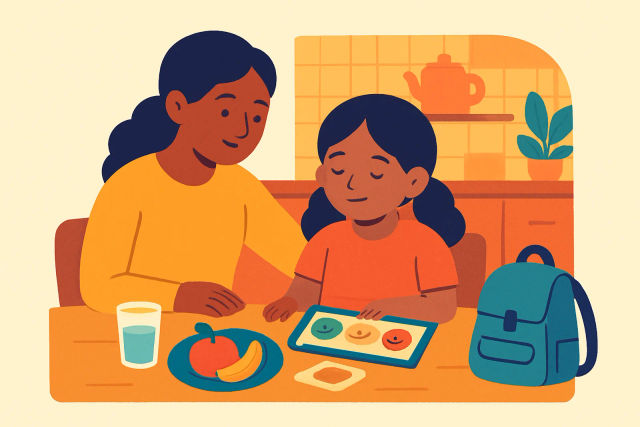
In an Indian home, you might pack the school bag, fill the water bottle and lay out the uniform before the bedtime routine. This removes last-minute searching for socks, books or a maths notebook. A calm room and a familiar order can help your child notice that the day is ending.
Avoid active games, loud music, scary videos and exciting online content close to bed. Large drinks just before lights out can lead to another toilet visit, though your child should have access to water when needed. Keep dinner and bath timing suited to your household. The aim is a quieter transition, not a strict rule that makes everyone tense.
Follow a calm 30-minute bedtime sequence
Use the same order each night so your child knows what comes next. A simple sequence is:
- Use the toilet.
- Brush teeth.
- Change into night clothes.
- Choose and read one short story.
- Have a cuddle or brief back rub.
- Turn off the light and say goodnight.
For a tired toddler, shorten the story and keep the cuddle brief but warm. An older child who reads independently may have a few extra quiet minutes, with the finishing time agreed before reading begins. You can use bedtime stories for kids to choose a gentle story for the reading part of the routine.
Here is one example for a child who usually sleeps at 9:00 pm. Start the routine at 8:30, toilet and brush at 8:30, night clothes at 8:35, story at 8:40, cuddle at 8:55 and lights out at 9:00. Adjust the times to your child's usual sleep time, then move the whole sequence earlier slowly if needed.

Lumi's tips
- Lumi suggests placing the bedtime chart near the bathroom so your child can follow it without calling you for every step.
- Keep tomorrow's uniform and school bag ready before the routine begins, so bedtime does not turn into a search around the house.
- Offer two choices, then pause. A quiet moment often works better than explaining the rule again.
- If a request returns, use the same kind sentence and guide your child back to the next step.
- Make bedtime a team habit, not a test. Notice small actions such as brushing, changing and settling down.
Offer small choices without delaying sleep
Small choices can give your child a sense of control while the adult keeps the bedtime limit. Offer two options that both fit the plan, such as blue or yellow pyjamas, one of two books, or a hug or a short back rub. Ask the question at the right point in the routine, rather than after the light is off.
You can say, "You may choose one story. After that, it is sleep time." Then follow through in a calm voice. If your child takes a long time to choose, make the choice for them kindly: "You are finding it hard to choose, so I will choose this book tonight."
Keep choices inside the routine. Avoid introducing a new reward, arguing about the rule or opening repeated negotiations each evening. If your child asks for a different book after the first one, repeat the limit without a long explanation. A predictable answer may feel boring, but it helps the bedtime pattern stay clear.
Handle one more story, water and other requests
Before lights out, check the toilet, offer a small drink and ask if your child needs anything else. Keep a small cup or bottle of water nearby if that is helpful. For preschool and primary-school children, you can try a bedtime pass. Give one card or paper token for one extra request, such as a drink, toilet visit or quick hug. After it is used, the next request waits until morning unless there is a real need.
Use the same brief response when a request returns: "You have had your water and story. It is sleep time now." If your child leaves the room, guide them back with little conversation. Avoid starting a new discussion, switching on bright lights or adding another story.
Repeated thirst, pain, trouble breathing, loud snoring or strong worry deserves attention. Speak with a doctor about these concerns. If worry, behaviour or tiredness affects school, discuss it with the teacher as well. A child who is unwell or distressed needs support, not simply a firmer bedtime rule.
Use a printable to make the routine easier
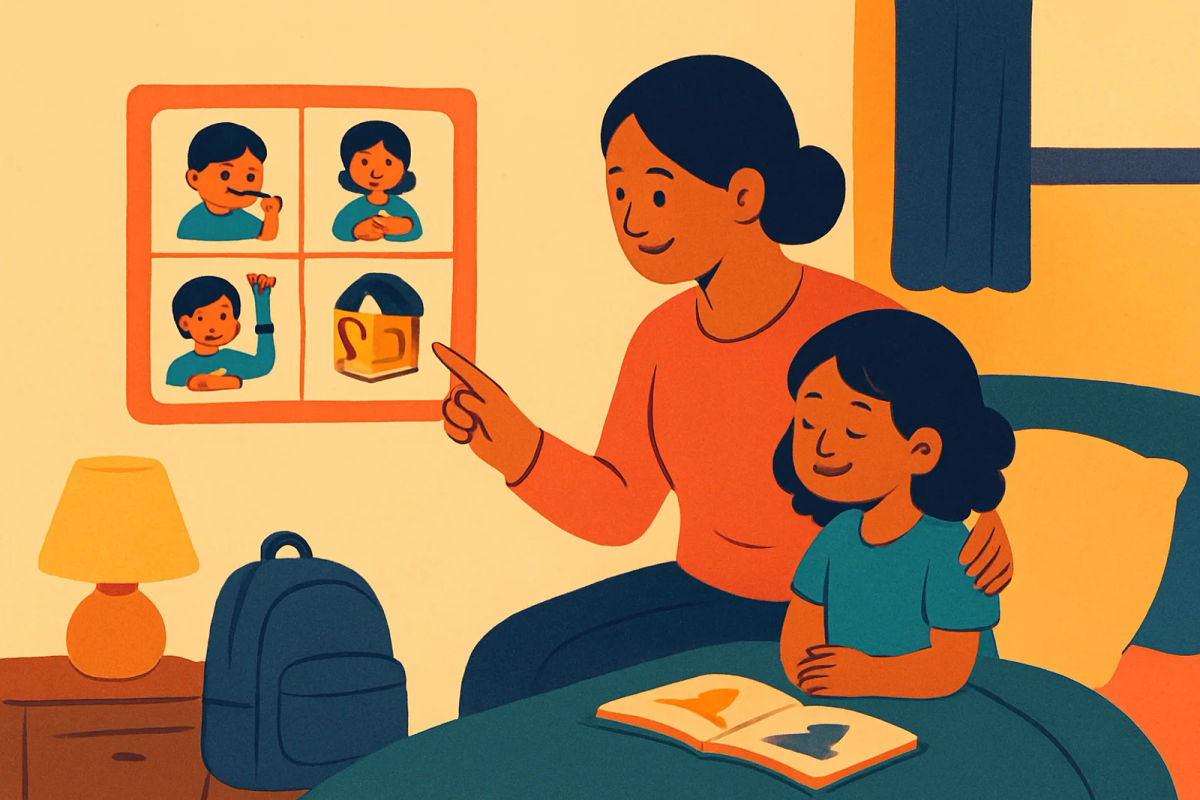
A simple bedtime chart can show the order without you repeating every instruction. Draw or print five boxes with a picture or word for toilet, brush, pyjamas, story and sleep. A younger child can use pictures, while a Class 1 or Class 2 child may enjoy reading the words. Place the chart where your child can see it before the routine begins.
Let your child tick a box, circle it or move a small marker after each step. Keep this as a way to follow the plan, not a competition between siblings. The chart should guide the routine rather than promise a prize for sleeping. Praise the action you can see, such as putting the toothbrush away or choosing one book.
EarlyActivity printables are PDFs sized for A4 and US Letter paper. Print at Actual size, which is 100 percent. You can also make a free chart with paper and crayons. Use a site file at home or in your own classroom. Do not share or resell the file. You can browse the free printables library if you want a simple activity to prepare for your child's routine.
What to do when bedtime is still difficult
Keep the plan for several evenings before deciding that it has failed. Write down the bedtime, wake-up time, daytime nap, screen use and repeated requests. This small record can show a pattern, such as a late nap or a screen session that makes settling harder.
Adjust one part at a time. You might start the routine 10 minutes earlier, move screen use earlier or shorten a late afternoon nap when it is suitable for your child's age and family schedule. Avoid putting your child to bed much earlier than they are ready for, changing the rules every night or expecting an instant change. If your child is wide awake in bed for a long time, the timing may need a gentle review.
Keep your words and order steady, while staying responsive to illness, worry or a change at home. Speak with a doctor if sleep problems continue, affect daytime life or come with pain, breathing concerns or severe distress. You can also talk with the school if tiredness, worry or behaviour is affecting the school day.
Questions parents ask
What time should my child go to bed for their age?
There is no single bedtime that suits every child. Work backwards from the needed wake-up time and allow enough night sleep for your child's age, while considering naps for younger children and later sleep needs for older children. A child who is alert at bedtime every night may need a slightly later starting point, followed by a gradual shift earlier.
How long does it take for a child to get used to an earlier bedtime?
Some children settle within a few evenings, while others need longer. Keep the wake-up time, bedtime order and limits fairly steady, and change the schedule in small steps. If your child remains very unsettled or daytime tiredness is increasing, review the plan with a doctor.
Should I wake my child at the same time on weekends?
Try to keep the weekend wake-up time fairly close to the school-day time. A small extra sleep may be reasonable after a tiring week, but sleeping much later can make Sunday bedtime harder. Keep the morning light, breakfast and usual activities fairly regular.
What should I do if my child keeps asking for water or one more story?
Check the toilet, offer a small drink and agree on the number of stories before lights out. Then use one calm sentence, such as, "You may choose one story. After that, it is sleep time." A small cup of water or one bedtime pass can help, but repeated thirst or other physical concerns should be discussed with a doctor.
How can I move bedtime earlier without making my child upset?
Start with a 10 to 15 minute change and keep the wake-up time steady. Move dinner, screens and the 30-minute routine earlier as needed, while keeping the same order and offering two small choices. If your child becomes very distressed or stays awake for a long time, pause the change and seek advice from a doctor.