How to keep kids hydrated at school during November events
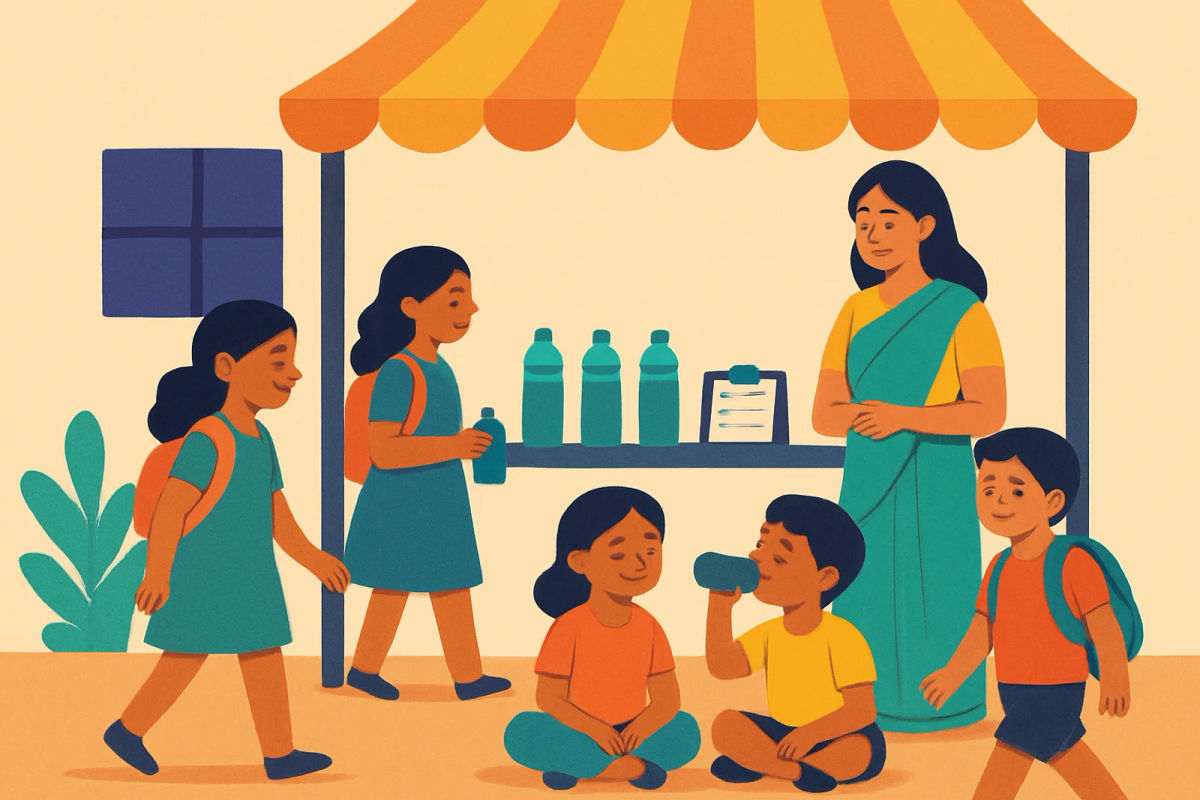
November events can include sun, running, standing and long waits, so children need regular chances to drink water and rest. This guide shows you how to keep kids hydrated at school with a simple reminder chart, a quick outdoor check and a printable water and rest tracker.
In short
- Plan water and rest breaks before outdoor activities begin.
- Use a reminder chart without comparing how much children drink.
- Give younger children close adult support and simple picture prompts.
- Change the plan when the ground is hot, the programme is delayed or a child looks unwell.
- Use the tracker as a practical reminder, not as a medical record.
Why November school events still need water and rest
November weather may feel pleasant, but a school event can still involve bright sun, walking, running and long periods of standing. An outdoor assembly, sports day or Children's Day programme may keep children away from their usual classroom water routine. Children can also become tired while waiting for their turn or sitting in a crowded area.
Watch for signs that a child needs to stop and tell an adult. A dry mouth, headache, unusual irritability or marked tiredness can be a reason to move the child to shade, offer water and allow quiet rest. A child does not need to wait until they ask, especially in Nursery, LKG or UKG.
Use the school's health plan and any instructions shared by the family. If a child seems seriously unwell, is confused, has trouble breathing, faints or does not improve with rest, follow school procedures and seek medical help promptly. Keep a responsible adult with the child and do not send them back into the activity just because the programme is continuing.
Make a simple water reminder chart
A small chart near the classroom door, water station or sports equipment area can remind adults and children to pause. It can have four prompts: before school, during the event, after active games and before going home. Each prompt may have a water box and a rest box. The aim is to notice breaks, not to count who drinks the most.
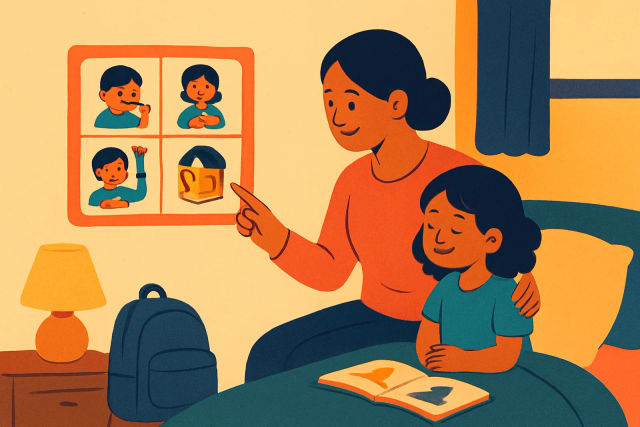
For Nursery, LKG and UKG, use pictures of a bottle, chair and shade. An adult can point to the picture, offer a drink and mark the chart. Class 1 to 5 children can tick their own boxes after a teacher gives the group a reminder. A teacher can glance at the chart before a race or performance and see who may need support.
A printable water and rest tracker is useful for a sports day station or a Children's Day programme. Keep the marks simple, such as a tick or a small circle. If a child refuses water, feels tired or needs more time, write a short note and speak to the family according to school practice.
Plan shade and rest breaks
Choose the rest area before the event starts. On a school ground, this might be a shaded verandah, a covered waiting area or a classroom with good adult supervision. Keep a few seats away from the loudest activities for children who need a quieter pause. Check that the route to the water station is safe and easy to follow.
Give children short breaks between races, rehearsals, performances and group games. During a break, children should be able to sit, drink water and cool down before deciding if they are ready for the next activity. A child who needs a longer pause should not be hurried because the next group is waiting.
For an apartment courtyard, place chairs and water in a shaded corner and keep games close by. At a home Children's Day programme, pause between songs, craft work and outdoor games. A teacher or parent can announce the rest time calmly, then check children who are still flushed, tired or unusually quiet before the activity begins again.

Lumi's tips
- Lumi suggests placing the tracker beside the water station, where the next reminder is easy to see.
- Keep a few spare cups ready, so a forgotten bottle does not become a reason to miss a drink.
- Let your child practise opening and closing the school bottle before the event day.
- Use a calm picture cue for water and rest, especially with Nursery and LKG children.
Use a quick check before outdoor activities
Before a race, parade or outdoor game, take a brief check of each child's basic needs. Look for a clearly labelled water bottle, a hat or other family-approved sun protection, comfortable clothing and a clear route to shade. Ask children if they have had some water, used the toilet and feel ready to join in.
Younger children may not remember each part of the check. Pair a Nursery, LKG or UKG child with a responsible adult or a carefully chosen buddy, while keeping the adult accountable for the final check. Older children can answer the questions themselves and tell an adult if they need to sit down.
The check is a guide, not a reason to delay help. Change the plan if the ground feels hot, an activity runs late, the waiting area becomes crowded or a child looks tired. It may be better to shorten a race, move a rehearsal into shade or give one group an extra pause. Teachers should follow the school's safety plan when making these changes.
Pack and label water for school events
Ask families to send an easy-to-open bottle with the child's name and class clearly marked. It should contain enough water for the school day and the planned activities. A bottle that is too difficult to open may stay unused, especially with younger children. Teachers should identify the refill point before the event and explain how children can reach it safely.
Keep spare cups or a safe backup plan for a child who forgets a bottle, following school rules. Do not pass around one shared bottle. A labelled bottle also helps staff return it to the right child after a sports day or school fair.
Give regular reminders to take small sips rather than waiting until a child feels very thirsty. The reminder can happen when children arrive, after an active game, during a waiting period and before they leave. Avoid telling every child to finish a fixed amount. Children have different needs, and families may have specific instructions for a child with a health condition.
Adapt the routine for different ages
Nursery and LKG children usually need picture prompts, gentle adult reminders and close supervision during group water breaks. UKG children can begin to point to a water or rest picture and tell an adult when they need a pause. Keep the routine predictable, such as drinking after the welcome activity and resting after an outdoor game.
In Classes 1 and 2, children can tick a chart, refill with help and report when they need to sit down. Adults should still watch the group rather than assuming a tick means a child feels well. A child may need a quieter place even after drinking water.
In Classes 3 to 5, involve children in checking the shade, rest timetable and class water station. This builds sensible event habits without making older children responsible for younger pupils. They can remind their own group about the next break, while an adult manages safety and support.
Children with health needs may have individual instructions from their family and school. Keep those instructions private, clear and available to the adults who need them.
Avoid common mistakes during school programmes
A programme can become unsafe when the timetable matters more than a child's basic needs. Do not make children wait too long in direct sun, and do not use rest as a punishment for not keeping up. Rest should be a normal part of the activity for everyone.
Avoid pressuring children to finish a fixed amount of water or comparing who drinks the most. Do not rely on one water break for a long programme, especially when children are running, dancing or standing for performances. A few planned pauses are easier for young children to follow than one long wait.
Use the tracker as a reminder, not as a medical record or a reason to shame a child. A missing tick means an adult should check in, not that the child has done something wrong. Speak quietly with a child who refuses water, feels tired or needs help. Follow the school's health plan and contact the family when the school procedure requires it.
After the event, review what worked. You may find that the water station needs clearer signs, the shade area needs more seats or the programme needs shorter waiting periods.
Print and use the water and rest tracker
A one-page tracker can include the child's name, class, four water-break boxes, four rest-break boxes, a shade check and a small space for adult notes. Use a tick for a completed pause and a short note such as "sat in shade" when a child needs extra support. Keep the page on a clipboard so it can move between the classroom, sports ground and water station.
Schools can print one sheet per child, one group sheet for a class or several copies for sports day stations. A home version can be used by a family attending a Children's Day programme, park event or school fair. It may have fewer boxes, such as before leaving, during active play and before going home.
Download the PDF and print it at Actual size, or choose a suitable printable from the free printables library. EarlyActivity files are PDFs sized for A4 and US Letter paper. Most printables are free, and downloading needs a free account. Free accounts can download up to 20 printables a day. Use the sheet at home or in your own classroom, and do not share or resell the file.
Questions parents ask
How often should children have a water or rest break during a school event?
There is no single timetable for every event. Plan a break before outdoor activity, during longer periods of running or standing, after active games and before children go home. Add more pauses when the ground is hot, the programme is delayed or children look tired.
What should a child bring for an outdoor school programme in November?
Send a clearly labelled, easy-to-open bottle filled with water, comfortable clothing and a hat or other sun protection as allowed by the school. Check that your child knows where the water station and shaded rest area will be. Follow any extra instructions from the school or family health plan.
How can teachers remind young children to drink water without forcing them?
Use a picture prompt, a calm group reminder and a regular pause in the programme. Offer water, give the child time and mark the tracker without pressure. An adult should quietly check a child who repeatedly refuses water or seems tired.
What should a school do if a child feels dizzy, very tired or unwell outside?
Move the child to a shaded or cool supervised place, stop the activity and follow the school's health plan. Offer water when appropriate and contact the responsible staff member and family according to school procedure. If the child seems seriously unwell, seek medical help promptly.
Can I use the water and rest tracker for sports day and Children's Day programmes?
Yes. You can use one sheet per child, a class sheet or copies at activity stations. For a home event, reduce the number of boxes and keep the focus on regular pauses, shade and adult observation rather than scores.